Growth & Strategy

Smart Growth: How to Expand Your Community Without Losing What Makes It Special

Learn smart growth strategies to expand your community while preserving its core identity. Discover proven frameworks for sustainable scaling that maintain culture and values.

Smart Growth Cover

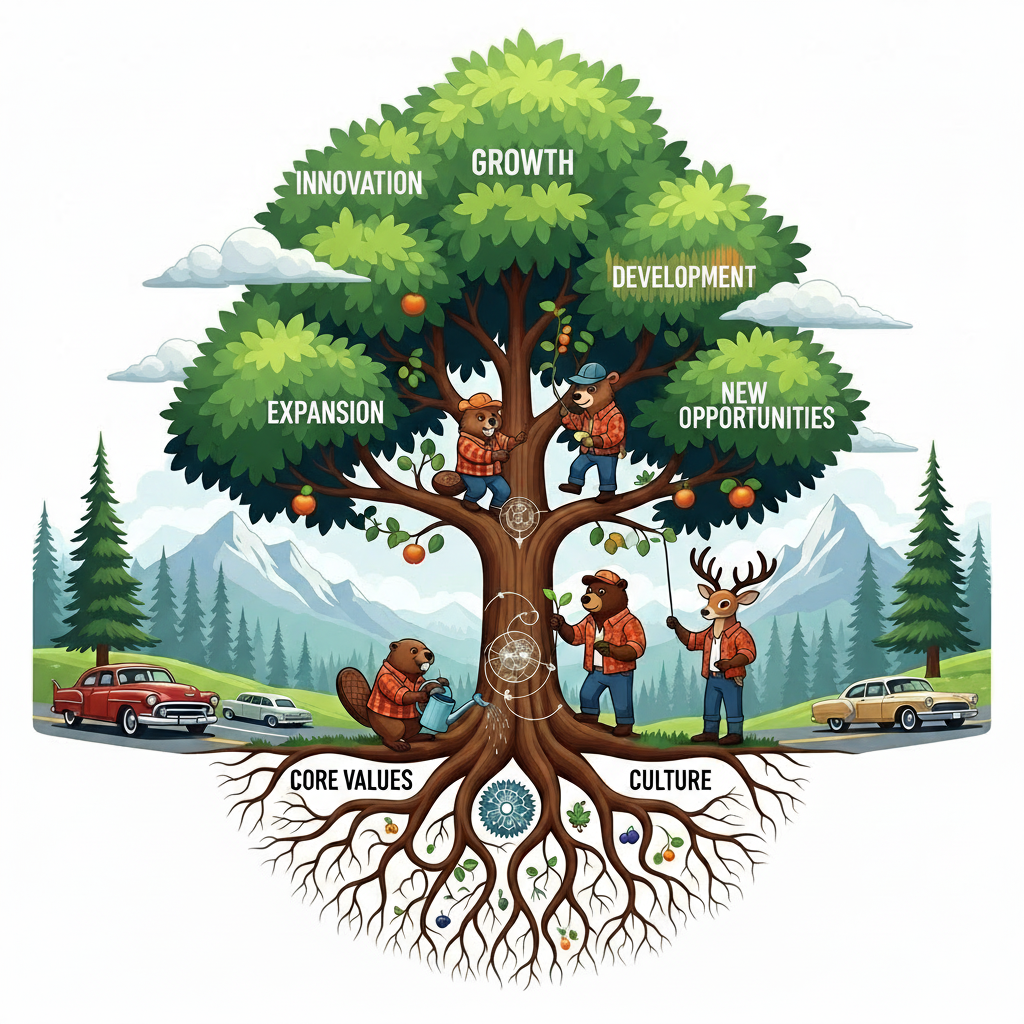
Growth is exciting until it kills what made your community special in the first place. When things starting growing, every community leader faces this paradox: how do you expand your impact and reach more people without diluting the very essence that attracted people originally?

The statistics are sobering. As we will show below, 70% of rapid organizational growth initiatives fail due to loss of core culture. But the communities that get it right see remarkable results: 60% better long-term retention rates and 3x higher success at maintaining their organizational identity.

The difference isn't luck or resources. It's implementing adaptive growth principles that balance expansion with consolidation, preserve core DNA while scaling operations, and integrate new members without compromising existing values.

Whether you're leading a nonprofit that's outgrown its original vision, managing a team experiencing rapid hiring, or building any community facing growth pressure, these evidence-based strategies will help you scale intelligently. You don't have to choose between growth and identity. You can have both, but only if you approach expansion systematically.

The best part? Smart growth isn't just about avoiding failure. It's about creating stronger, more resilient communities that thrive at every stage of development.

When Growth Preserves What Matters Most

One community that demonstrates extraordinary smart growth is Alcoholics Anonymous. From its earliest days with just two people in Akron, Ohio, AA has scaled to millions of members worldwide while maintaining its core identity.

What makes AA's growth remarkable isn't just its reach, but how it preserved what made it special. People still connect over common bonds of addiction. Vulnerability and total honesty remain central to the experience. The same care and concern that characterized those first meetings flows through every group today.

Following the 12 steps continues to give people a path to grow, learn, and develop personally. Together, members co-create communities, care for newcomers, and ensure the program survives and thrives for future generations.

AA succeeded at smart growth because they documented their principles before scaling, created systems that transmitted culture automatically, and said no to expansion opportunities that didn't align with their core mission. They prove that communities can grow exponentially while becoming more themselves, not less.

This wasn't accident. It was systematic smart growth in action.

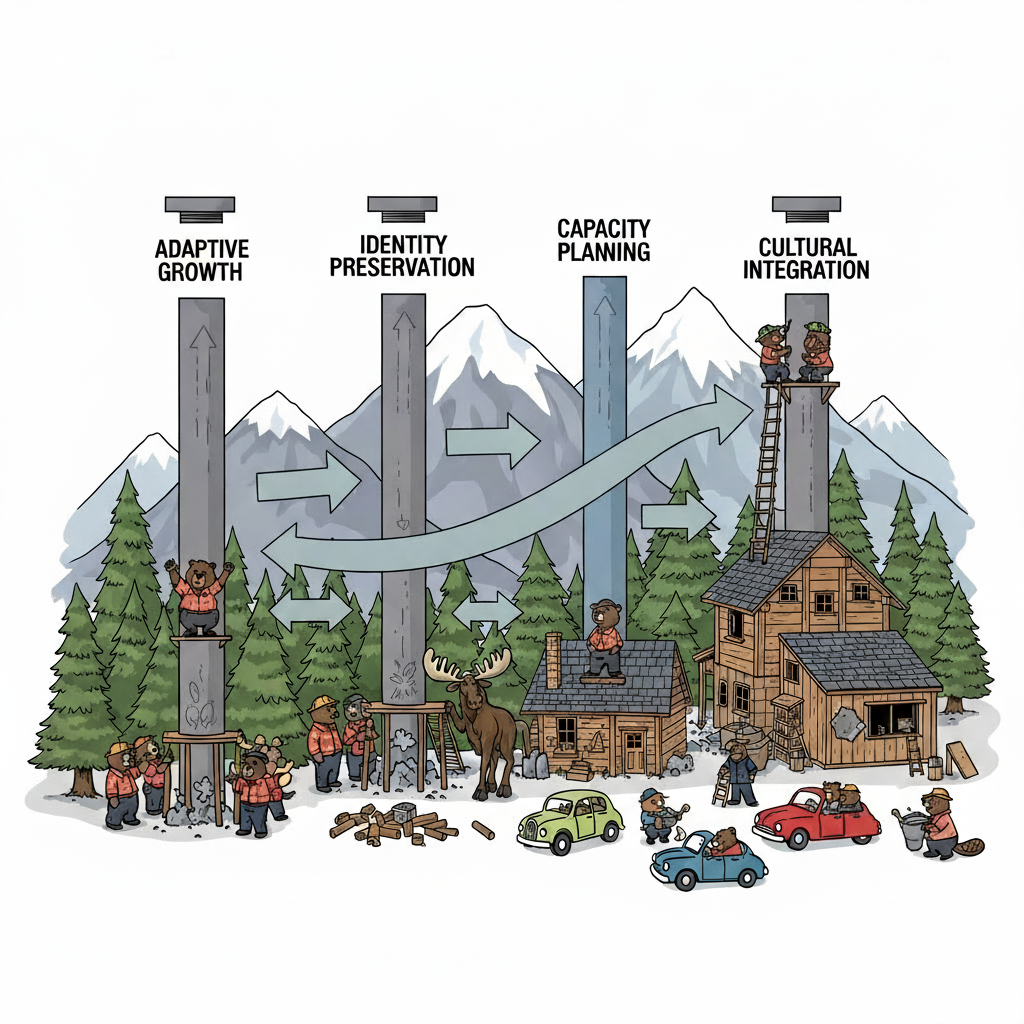
Four Pillars of Smart Growth

The Four Pillars of Smart Growth

Pillar 1: Adaptive Growth Principles

Smart growth balances expansion with consolidation using systematic approaches rather than pursuing growth for its own sake. Sustainable growth rates typically range from 15-25% annually for nonprofit organizations, allowing time for integration and cultural preservation.

Key elements include:

  • Phased expansion with built-in consolidation periods
  • Capacity monitoring systems to prevent overextension
  • Growth triggers based on readiness, not just opportunity
  • Regular assessment of growth impact on community health

Think of AA's approach to new groups. They don't rapidly franchise everywhere at once. Instead, new groups form organically when existing members are ready to sponsor them, ensuring each group maintains the essential elements that make the program effective.

Pillar 2: Core Identity Preservation

Maintaining organizational DNA while scaling requires deliberate documentation and transmission of what makes your community unique. Communities that document their values and practices before scaling are 3x more likely to maintain identity.

Essential components:

  • Clear articulation of non-negotiable values and practices
  • Cultural preservation protocols during expansion phases
  • Identity checkpoints throughout the growth process
  • Succession planning that maintains cultural continuity

AA's "Big Book" and established traditions serve as cultural DNA that every group worldwide can reference. These documents ensure that whether you're in New York or Tokyo, the fundamental experience remains consistent while allowing for local adaptation.

Pillar 3: Capacity-Based Planning

Growing at sustainable rates means matching expansion to available resources, both human and operational. Organizations with structured capacity planning avoid the common pitfall of overcommitting during exciting growth opportunities.

Core practices include:

  • Realistic assessment of current organizational capacity
  • Resource allocation planning for different growth scenarios
  • Infrastructure development that supports sustainable expansion
  • Early warning systems for capacity constraints

This is where many organizations fail. They see opportunity and grab it without honestly assessing whether they have the infrastructure, leadership, or resources to maintain quality during expansion.

Pillar 4: Cultural Integration

Onboarding new members while preserving existing community values requires systematic approaches to cultural transmission. According to the Brandon Hall Group, organizations with structured onboarding retain 82% more new members after one year. But the trick is to make sure you don't give a one-size-fits all experience. It needs to be interactive and invite patterns of give and take between the old and the new. Let new members feel like empowered owners of the future of the community as much as anyone else, and you ensure that their individuality, creativity, and untapped capacity will be better tapped over time.

Critical elements:

  • Detailed onboarding processes that transmit organizational culture
  • Mentorship programs pairing newcomers with cultural ambassadors
  • Regular cultural reinforcement activities and rituals
  • Feedback systems to ensure cultural integration effectiveness

In AA, new members are immediately connected with sponsors who embody the program's values and can guide them through both the practical steps and the cultural nuances that make recovery possible.

The Research Behind Smart Growth

The evidence is clear: rapid expansion without systematic planning destroys more communities than it helps. McKinsey & Company research shows that 70% of rapid organizational growth initiatives fail specifically due to loss of core culture. This isn't just about nonprofits. Even successful companies struggle with this challenge.

Consider the wisdom of growth experts. Reid Hoffman, LinkedIn's co-founder, observes that "The key to successful scaling is maintaining the essence of what made you successful in the first place." This aligns with findings from Harvard Business Review that communities documenting their identity before growth are 3x more likely to preserve it.

The late Tony Hsieh, former Zappos CEO, understood this intuitively: "Culture is the glue that either binds a growing organization together or allows it to fall apart." Zappos famously prioritized cultural fit over technical skills precisely because they understood culture's role in sustainable growth.

"Sustainable growth requires the discipline to say no to opportunities that don't align with your core mission."

Jim Collins, Author of Good to Great

Even environmental thinker Edward Abbey captured the growth paradox: "Growth for the sake of growth is the ideology of the cancer cell." Healthy growth serves the organism's purpose. Cancer growth serves only itself.

Nonprofit leadership expert Robin Cabral adds practical insight: "Today's nonprofit needs to look deep within at current systems and structures that are not working." Smart growth begins with honest assessment of current capacity and culture.

The research consistently shows that gradual, systematic growth produces 60% better long-term retention rates than rapid expansion approaches.

Four Steps to Implement Smart Growth in Your Community

Step 1: Document Your Core Identity (Week 1-2)

Before pursuing any growth, conduct a comprehensive culture assessment. Document your non-negotiable values, essential practices, and unique community characteristics. Create a "cultural DNA" document that captures what makes your community special.

Step 2: Establish Growth Parameters (Week 3)

Set realistic growth targets based on your current capacity, not external opportunities. Establish clear criteria for evaluating growth opportunities and create early warning systems for capacity constraints. Plan expansion in phases with consolidation periods.

Create specific metrics for:

  • Maximum growth rate your infrastructure can support
  • Minimum cultural integration time for new members
  • Resource allocation ratios between growth and consolidation
  • Early warning indicators that growth is threatening culture

Step 3: Design Cultural Integration Systems (Week 4-5)

Create structured onboarding processes that transmit your organizational culture effectively. Develop mentorship programs and cultural reinforcement activities. Design feedback systems to monitor cultural integration success.

Essential elements include:

  • Welcome processes that immediately connect newcomers to cultural ambassadors
  • Regular check-ins during the critical first 90 days
  • Opportunities for new members to experience your community's core activities
  • Feedback loops to continuously improve integration effectiveness

Step 4: Implement and Monitor (Ongoing)

Begin growth initiatives using your established parameters and systems. Monitor both quantitative metrics (growth rates, retention) and qualitative indicators (cultural strength, member satisfaction). Adjust approaches based on results while maintaining core identity commitments.

Track progress quarterly using both growth metrics and cultural health indicators. Smart growth means measuring what matters, not just what's easy to count.

Growing Forward Without Losing Backward

Smart growth isn't about choosing between expansion and identity. It's about systematic approaches that enable both. The communities that thrive long-term are those that grow deliberately, preserve their core essence, and integrate new members thoughtfully.

AA's example shows what's possible when growth principles align with community values. Your organization can achieve similar results by implementing the four pillars of smart growth systematically.

The choice is clear: continue growing reactively and risk losing what makes your community special, or adopt evidence-based smart growth strategies that strengthen identity while expanding impact.

Too many communities discover too late that rapid growth without systematic planning destroys the very qualities that made growth possible in the first place. But with the right approach, growth becomes a force that strengthens rather than threatens what makes your community unique.

Ready to implement smart growth strategies in your community? Northwest Innovation Group specializes in helping organizations scale sustainably while preserving their core identity through workshops, consultation, and custom training programs.

Related Articles

Growth & Strategy
From Reactive to Adaptive: Building Resilient Communities

Learn how to build resilient communities that thrive through change using adaptive frameworks.

Read More
Community Building
Measuring What Matters: Beyond Attendance to True Community Impact

Discover how to measure true community impact beyond attendance numbers.

Read More

Ready to Apply These Insights?

Let's discuss how our workshops and consulting services can help you implement these strategies in your community.

Schedule a Consultation Read More Articles